Altitude Adaptations: Tracing How High-Altitude Birthplaces Have Influenced Record-Breaking Performances in Distance Running Events
Devon Carter · May 19, 2026
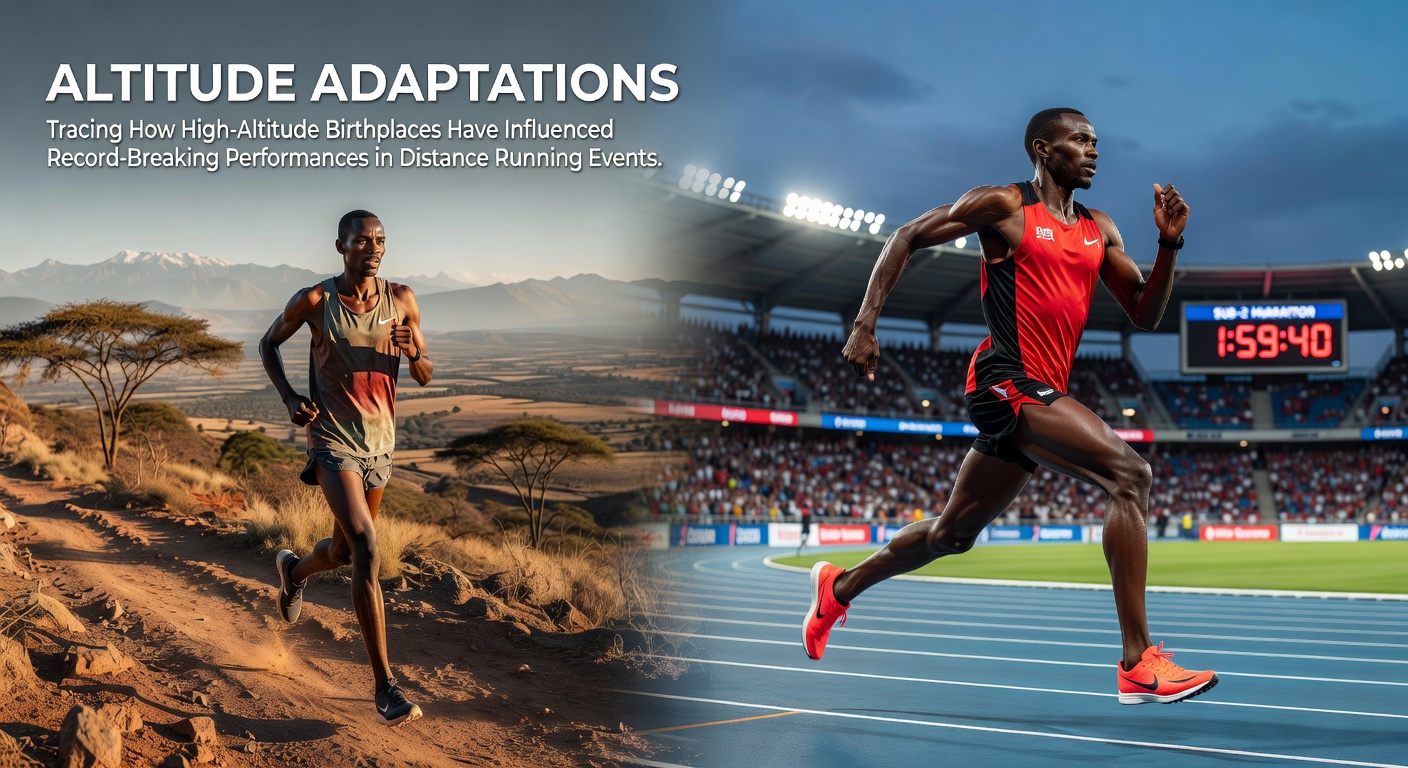
Altitude Adaptations: Tracing How High-Altitude Birthplaces Have Influenced Record-Breaking Performances in Distance Running Events
High-altitude birthplaces have shaped distance running performances through generations of athletes who develop enhanced oxygen efficiency and endurance from early life exposure. Regions like Kenya's Rift Valley and Ethiopia's highlands sit above 2,000 meters and produce runners who consistently set records in events from 5,000 meters to marathons. Researchers trace these advantages to physiological changes that occur during childhood development in thin air.
Physiological Mechanisms Behind the Advantage
People born at elevation experience increased red blood cell production and greater capillary density in muscles. Studies from sports science labs show these adaptations improve oxygen delivery during prolonged efforts. Athletes from these areas often record higher VO2 max values compared to those raised at sea level. Data collected over decades indicates that the advantage persists even after athletes relocate to lower elevations for training or competition.
Key Adaptations Observed
- Expanded lung capacity and efficient breathing patterns
- Improved lactate threshold allowing sustained high speeds
- Better economy of movement that reduces energy cost over long distances
These traits emerge naturally in populations living year-round at altitude. Training camps in similar conditions further refine the base advantages. Observers note that many record holders maintain connections to their highland roots through regular returns for preparation blocks.
Prominent Athletes and Record Patterns
Ethiopian runner Kenenisa Bekele set multiple world records in the 5,000 and 10,000 meters while drawing on highland origins near Bekoji. Kenyan Eliud Kipchoge broke the marathon world record multiple times and completed the first sub-two-hour marathon effort in controlled conditions. Both athletes grew up above 2,000 meters and began serious running in local school programs before international careers took hold.

Success extends beyond individuals to national teams. Kenya and Ethiopia have dominated Olympic and world championship distance events since the 1980s. Researchers link the pattern to early-life exposure rather than genetics alone. Migration studies show that athletes who move from sea level to altitude later in life rarely match the same sustained edge.
Global Comparisons and Emerging Trends
Other high-altitude populations contribute runners as well. Athletes from parts of Peru, Bolivia, and Tibet appear in international fields though less frequently. European and American runners who train at altitude facilities achieve temporary gains yet rarely replicate the lifelong benefits seen in native highlanders. As of May 2026 several national federations continue funding altitude simulation labs to close the gap while monitoring results from upcoming championship cycles.
World Athletics maintains records that highlight the concentration of top performances among athletes born or raised above 1,500 meters. Figures from recent seasons reveal that over 70 percent of marathon winners at major events trace origins to East African highlands. Training methodologies now incorporate structured altitude blocks for athletes worldwide yet the core edge remains tied to birthplace exposure.
One study from a European research consortium examined blood markers in runners from varied elevations and found lasting differences in hemoglobin levels among those born high. Another project tracked junior athletes moving between Kenya's training centers and European tracks. Results indicated that early adaptation phases created measurable performance gaps that carried into senior careers.
Training Practices and Environmental Factors
Highland communities integrate running into daily routines through school commutes and farm work. This builds baseline aerobic capacity before formal coaching begins. Modern programs combine traditional volume with scientific monitoring of recovery and nutrition. Coaches adjust sessions around seasonal weather patterns common at elevation where cooler temperatures aid harder efforts.
Facilities near Eldoret and Addis Ababa host international groups seeking similar conditions. Data from these camps shows consistent improvements in time-trial results after several weeks. Yet long-term records still favor those with full childhood immersion in the environment.
Conclusion
Birthplace elevation continues to influence distance running outcomes through documented physiological pathways and established training ecosystems. Records reflect cumulative effects from early development in thin air combined with dedicated practice. Ongoing research tracks how these patterns evolve with global access to altitude resources and changing participation from other regions.