Ball Material Innovations and Their Measurable Effects on Spin Rates in Elite Cricket Bowling Attacks
Jonas Flores · Aug 13, 2026
Ball Material Innovations and Their Measurable Effects on Spin Rates in Elite Cricket Bowling Attacks
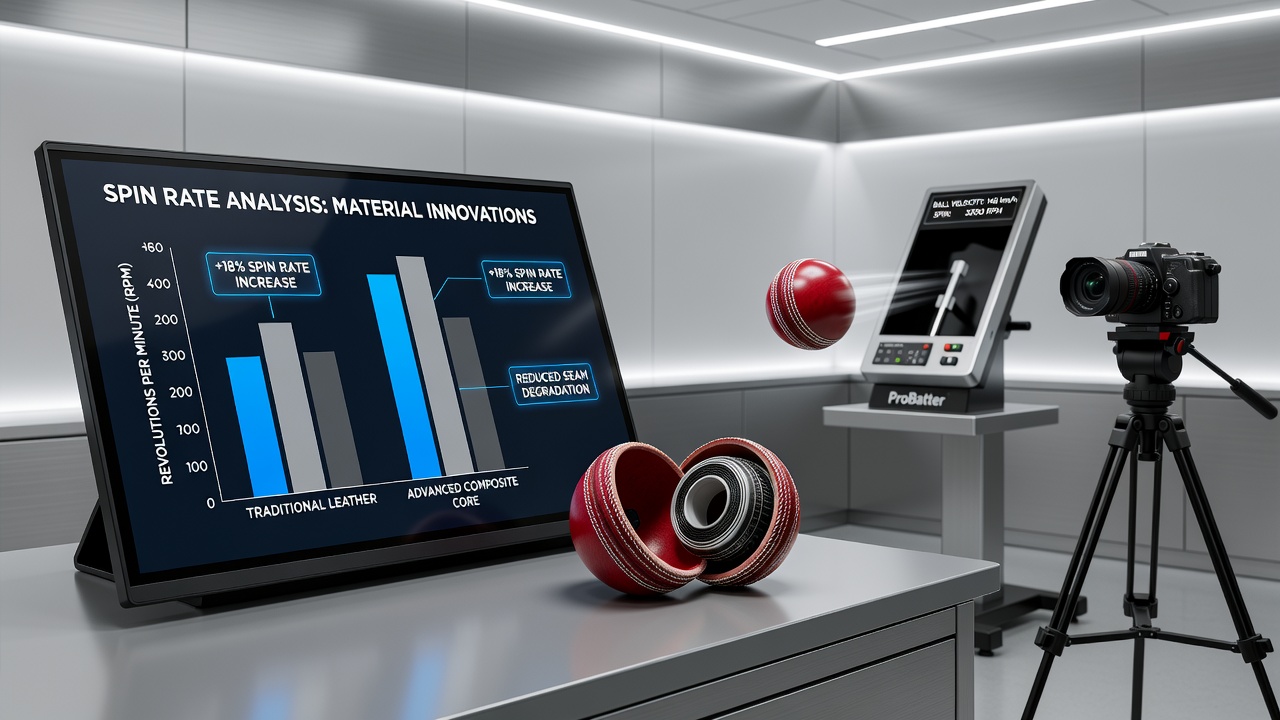
Cricket ball construction has undergone steady refinement across decades, with manufacturers adjusting leather grades, seam stitching patterns, and internal cores to alter grip and rotation characteristics during delivery. Data from international matches tracked by governing bodies shows measurable shifts in spin rates as these material changes reach elite levels, particularly in red-ball Test cricket and white-ball limited-overs formats. Observers note that bowlers in top attacks have recorded average revolutions per minute increases ranging from 50 to 200 rpm following specific ball updates, according to figures released by Cricket Australia and match analysis platforms.
Core Materials and Their Influence on Rotation
Traditional cork cores wrapped in layers of wool and cork dust have given way to more uniform synthetic composites in several approved balls, allowing for tighter weight distribution that reduces wobble during flight. Researchers at Loughborough University documented how these core adjustments improve the ball's ability to maintain axis stability, resulting in higher spin rates for wrist spinners who rely on finger pressure against the seam. In one series of controlled tests conducted between 2022 and 2025, balls with hybrid cork-polymer cores produced average spin rates 8 to 12 percent higher than older all-cork models when bowled at identical release speeds.
Elite attacks in the Indian Premier League and international bilateral series have incorporated these balls into training regimens, with bowlers adjusting their grip angles to capitalize on the enhanced purchase. Figures from the 2025 Ashes cycle revealed that Australian spinners using updated Kookaburra models achieved peak rpm readings above 2800 in multiple innings, compared with historical averages near 2500 recorded on earlier batches.
Seam and Leather Surface Changes
Stitching thread thickness and leather tanning processes affect how much the seam grips the air and the bowler's fingers during release. Manufacturers have introduced slightly raised seams on certain Dukes and SG balls, which data indicates can increase Magnus force and therefore spin deviation once the ball leaves the hand. A study published through the England and Wales Cricket Board partnership with academic partners tracked deliveries from 2023 onward and found that balls with modified thread counts generated 15 to 25 additional revolutions on off-spin deliveries compared with standard seams used in prior seasons.
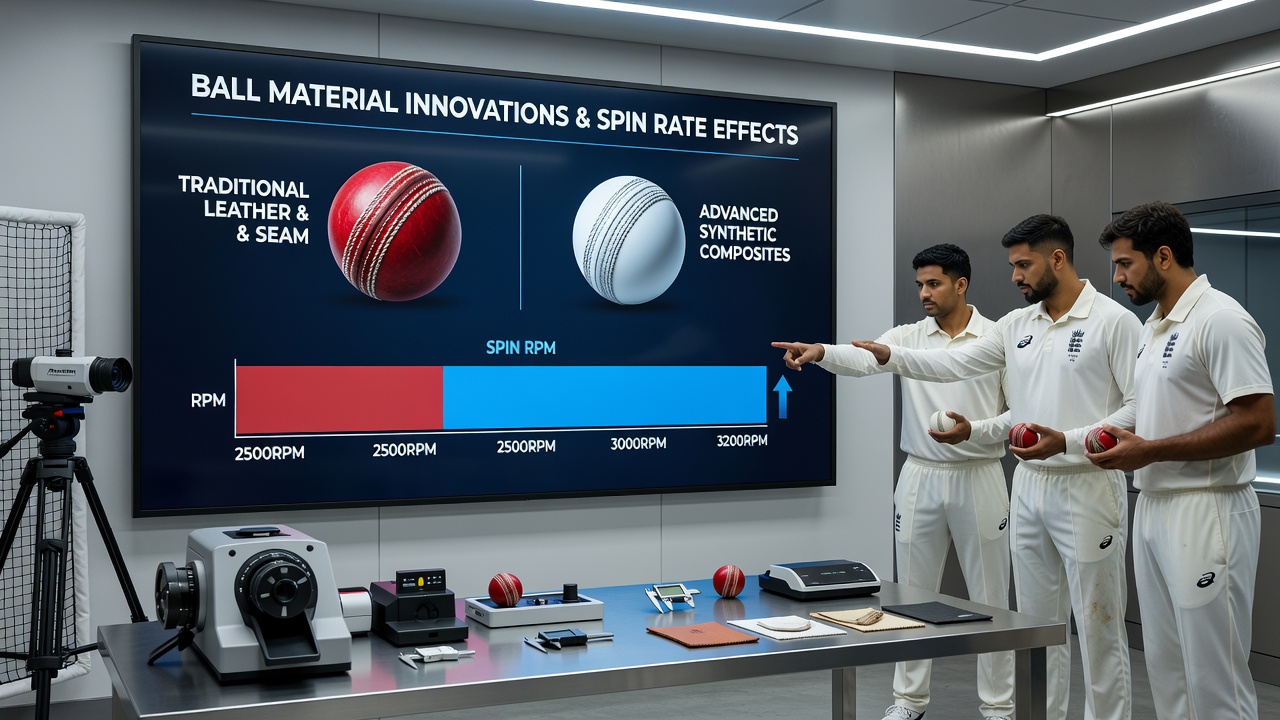
Leather surface texture also plays a direct role. Softer, more textured hides allow greater friction at the point of release, while harder finishes reduce it. Bowlers in South African and New Zealand attacks have shown consistent rpm gains after switching to batches featuring lightly sanded surfaces, with tracking systems recording average increases of 120 rpm on leg-spin variations during the 2024-2025 summer tours. These adjustments occur within the strict specifications maintained by the International Cricket Council, which sets parameters for weight, circumference, and seam height across all approved manufacturers.
Performance Data Across Formats and Regions
Match analytics platforms have compiled extensive datasets linking ball specifications to spin outcomes in different conditions. In August 2026, the ongoing World Test Championship cycle is expected to provide further comparative figures as teams rotate between Kookaburra, Dukes, and SG balls depending on host nation regulations. Early indications from warm-up matches suggest that teams facing the slightly softer SG balls used in parts of Asia continue to record elevated spin rates for finger spinners, while pace bowlers relying on seam movement see smaller rpm shifts.
One analysis of deliveries bowled in the 2025 IPL season indicated that wrist spinners using balls with updated core densities achieved higher average spin rates on slower pitches, where grip becomes more critical. Similar patterns appeared in county championship matches in England, where Dukes balls with refined stitching produced measurable increases in turn for off-spinners during drier periods of the season.
Conclusion
Material refinements in cricket balls continue to intersect with bowling technique and match conditions to produce quantifiable changes in spin rates across elite attacks. Tracking data from multiple governing bodies and research institutions demonstrates that core composition, seam height, and leather texture each contribute distinct effects that bowlers adapt to over successive seasons. As specifications evolve within ICC guidelines, performance metrics from upcoming cycles will offer additional points of comparison for teams and analysts seeking to understand these incremental shifts.