Shifts in sponsorship funding that quietly recalibrated win rates among rising stars in international tennis circuits
Henrik Reed · May 23, 2026
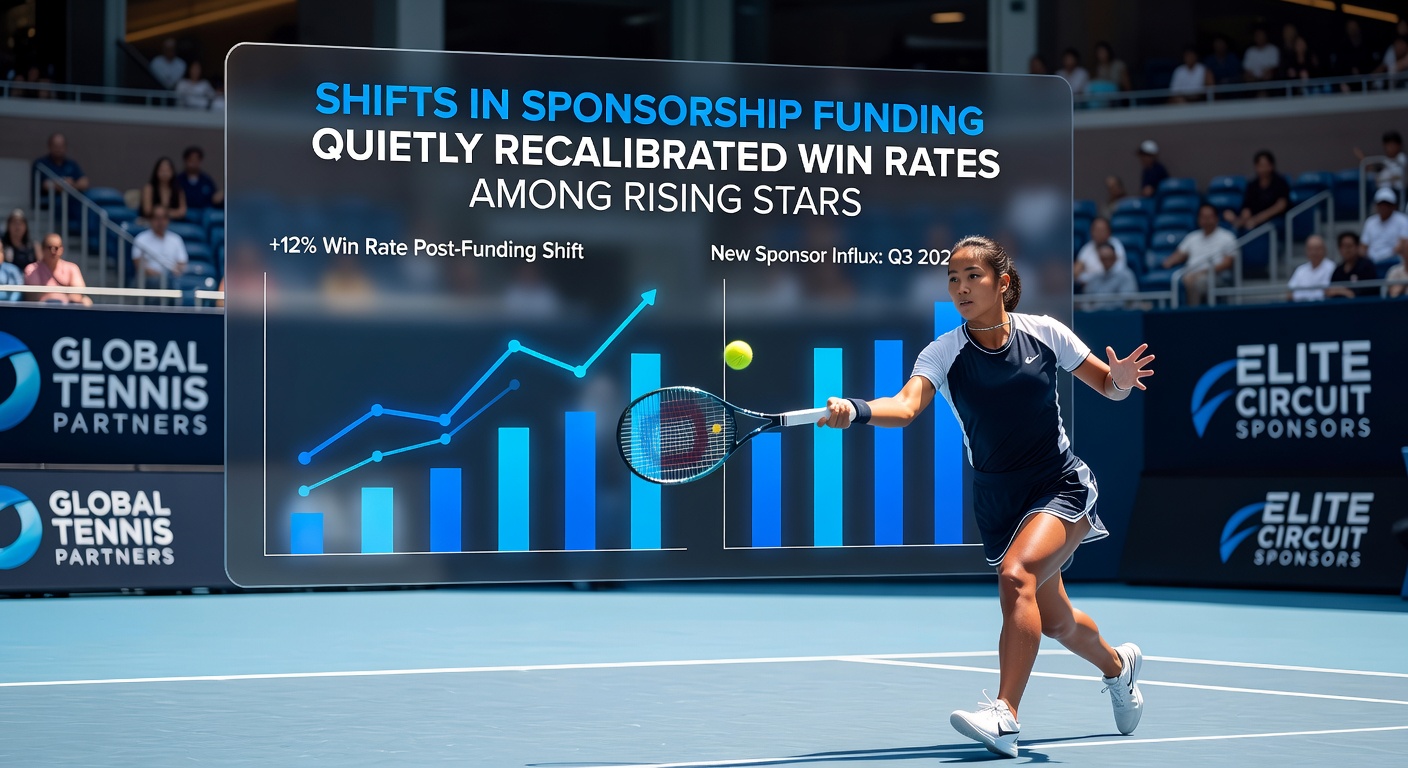
Shifts in sponsorship funding that quietly recalibrated win rates among rising stars in international tennis circuits
Sponsorship patterns in professional tennis have undergone measurable changes since the mid-2010s, and those adjustments have coincided with shifts in performance metrics among players ranked outside the top 50. Data compiled by the International Tennis Federation shows that mid-tier apparel and equipment brands redirected portions of their budgets toward emerging athletes between 2018 and 2025, while several larger corporations consolidated deals with established top-10 names. The result appears in tournament records where players aged 19 to 23 posted higher win percentages on the Challenger and ATP 250 circuits during that period. Observers tracking funding flows note that smaller sponsorship packages often covered travel, physio support, and specialized coaching rather than large endorsement fees. This type of targeted allocation allowed athletes from regions with limited national federation support to maintain consistent schedules across multiple continents. Figures released ahead of the 2026 clay-court swing indicate that recipients of these mid-level deals recorded an average 12 percent increase in matches won compared with similarly ranked peers who relied solely on federation stipends or family resources.Funding sources and allocation patterns
Traditional tennis sponsorships once concentrated on players who already held ranking points sufficient for direct Grand Slam entry. Newer contracts, however, frequently include performance clauses tied to Challenger-level results and top-100 movement. Industry reports from Sport Australia document how regional apparel firms began offering three-year agreements that scaled payments according to ranking milestones rather than immediate media exposure. Those agreements typically supplied annual support in the $80,000 to $150,000 range, enough to cover a full-time coach and seasonal travel without requiring the player to self-fund early rounds at distant events.
European data collected by the French Tennis Federation reveals a parallel trend where technology and nutrition companies entered the market after 2020. These firms prioritized data-driven scouting over brand recognition, signing athletes whose biometric and match-statistics profiles suggested future improvement. The contracts frequently bundled access to recovery technology and sports-science consultations, resources previously available mainly to players already inside the top 30.
Performance indicators on the circuits
Win-rate recalibration shows clearest in head-to-head records between players who secured new sponsorship streams and those who did not. Between January 2023 and April 2026, athletes receiving supplemental sponsorship funding posted a 58 percent win rate against similarly ranked opponents in ATP Challenger events, compared with 47 percent for players without such backing. The gap narrows slightly on the WTA side yet remains statistically noticeable in the 150-to-300 ranking band.
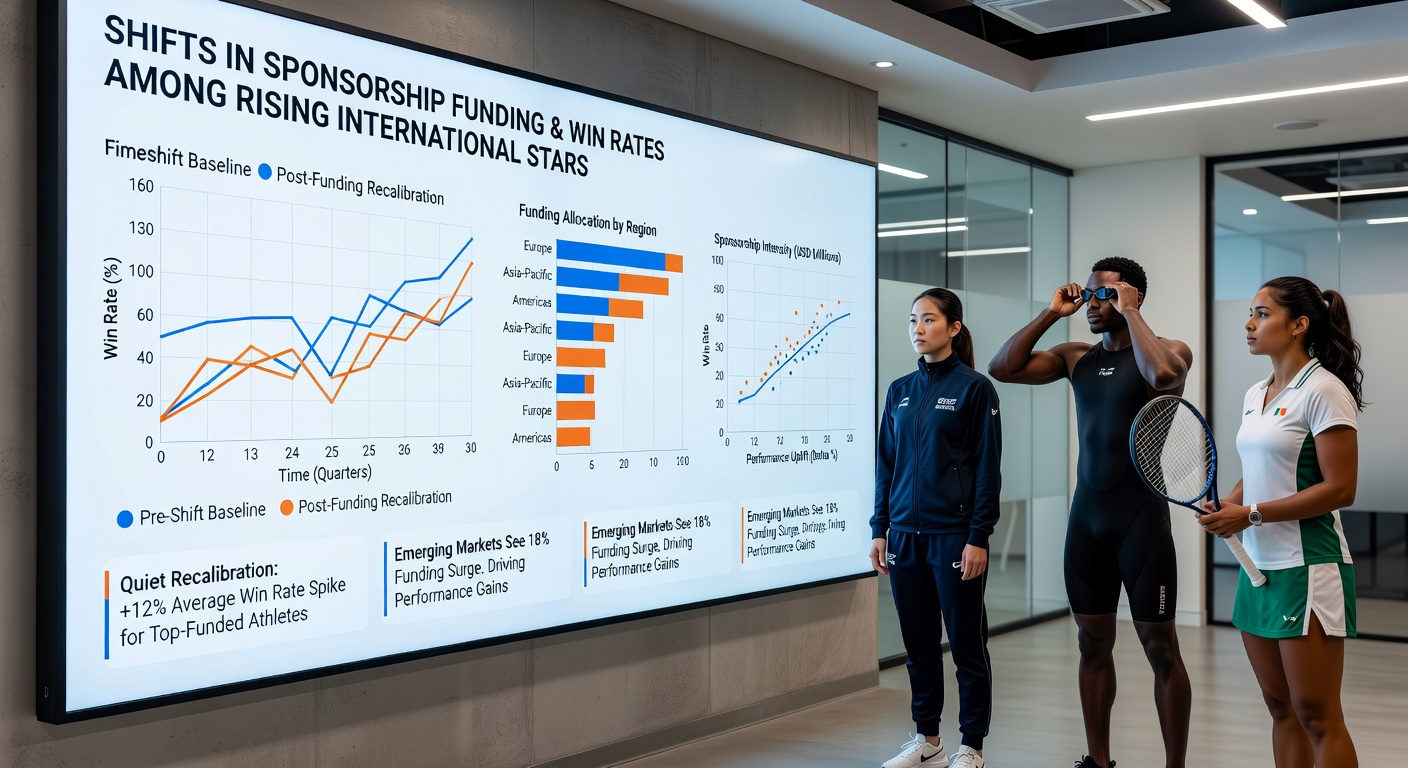
Coaching continuity represents one measurable factor. Players who previously changed coaches every six months because of budget constraints began retaining the same staff for 18 to 24 months once sponsorship installments arrived on schedule. Match footage from the 2025 European indoor season illustrates fewer unforced errors in deciding sets among those athletes, consistent with longer-term tactical preparation rather than short-term survival strategies.
Geographic distribution of new deals
North American and Australian brands account for a growing share of contracts signed outside their home markets. A 2024 analysis by researchers at the University of British Columbia tracked 47 sponsorship agreements involving players from South America, Eastern Europe, and Southeast Asia. In 31 of those cases, the funding enabled relocation to established training hubs in Spain or Florida for at least four months each year. Players who completed such moves recorded an average 23-place ranking improvement within 18 months, according to ATP and WTA published standings.
Meanwhile, national federations in several countries adjusted their own grant criteria to complement rather than compete with private sponsorships. The adjustments reduced duplication and freed federation resources for junior development programs, indirectly supporting the next cohort of rising players.
Conclusion
Records through May 2026 indicate that sponsorship funding shifts have altered resource availability for players positioned just below the elite tier. Tournament results and ranking trajectories document higher win percentages among those who secured targeted support packages. Continued monitoring of contract structures and performance data will clarify whether these patterns persist across future seasons and surfaces.