Stadium Acoustics and Communication Breakdowns in NFL Postseason Contests
Jonas Flores · Jun 2, 2026
Stadium Acoustics and Communication Breakdowns in NFL Postseason Contests
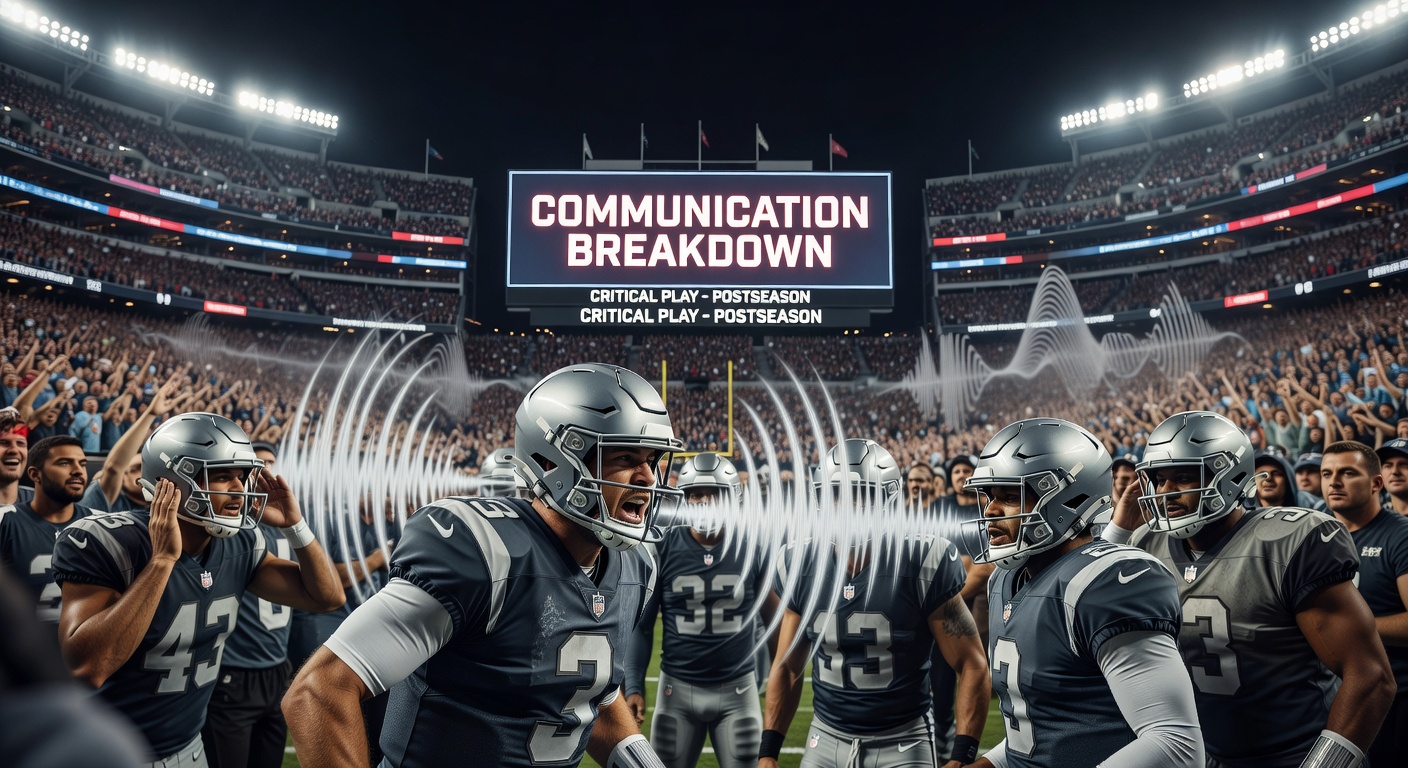
American football postseason games often unfold in environments where stadium acoustics create measurable interference with on-field communication, and researchers have documented how crowd-generated sound waves disrupt quarterback signals and defensive adjustments at key moments. Data from multiple NFL playoff contests shows that venues with enclosed designs amplify low-frequency noise, which travels farther and lingers longer than open-air stadiums allow, forcing teams to shift from verbal calls to visual cues that carry their own error rates.
Acoustic Properties of Major Postseason Venues
Postseason venues such as those in Seattle and Kansas City feature architectural features that reflect and concentrate sound, with studies from the Acoustical Society of America recording sustained levels above 110 decibels during critical drives. These measurements come from microphone arrays placed near the line of scrimmage, revealing that sound pressure peaks coincide with snap counts and audible adjustments. Teams respond by adopting silent counts where the center reads the quarterback's foot movements instead of spoken numbers, yet synchronization errors rise when visual lines of sight become obstructed by moving players or officials.
Effects on Play-Calling Sequences
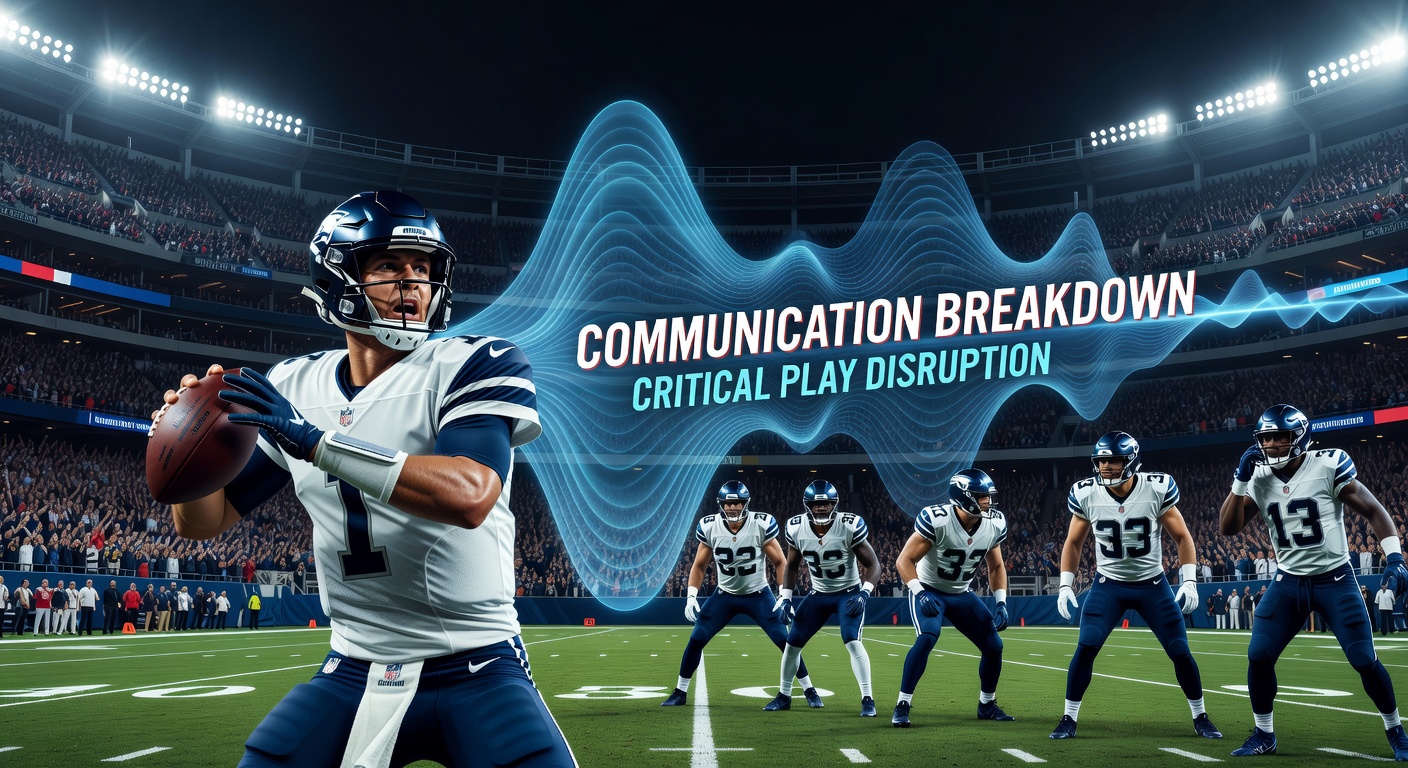
Communication breakdowns appear most frequently on third-down conversions and two-minute drills, where data compiled by league statisticians indicates a measurable drop in completion percentages during high-decibel periods. Quarterbacks rely on pre-snap checks that depend on hearing defensive alignments called from the sideline, while linebackers lose the ability to relay coverage shifts across the formation. Research from the University of Washington’s acoustics laboratory demonstrates that frequencies between 200 and 500 hertz, common in human shouting, mask the 1-2 kHz range used in helmet speakers and coach-to-player radio transmissions.
Technological and Rule-Based Adaptations
The NFL introduced helmet radio systems in 1994 that cut off at the snap, yet playoff records show these systems still experience interference when external sound exceeds certain thresholds. Officials enforce rules allowing teams to reset plays if crowd noise prevents proper communication, and league logs indicate such stoppages occur more often in postseason environments than regular-season games. Some franchises install additional sideline speakers to project play calls, while others train players to recognize coded hand gestures that function independently of sound, though gesture misreads have been recorded in multiple conference championship contests.
Case Examples from Recent Postseason Play
One documented instance occurred during a 2024 divisional playoff game where the home team’s offense committed five delay-of-game penalties directly attributed to inability to hear the snap count over sustained crowd noise. Another contest featured a defensive coordinator’s timeout request after repeated failures to relay coverage changes, resulting in a blown assignment that produced a long touchdown. Figures from the league’s officiating department reveal that such incidents cluster in the final two minutes of halves, when crowd intensity typically peaks and fatigue compounds auditory processing challenges for players wearing helmets that already attenuate external sound by 20-30 decibels.
Measurement and Mitigation Efforts
Engineers continue to model sound propagation using finite element analysis that accounts for seating geometry, roof materials, and fan distribution patterns. These models predict zones of highest interference near the hash marks, where many critical play calls originate. Some stadium operators have added absorptive panels and directed sound systems that reduce reverberation times, and data collected after such installations shows modest reductions in communication-related penalties during subsequent postseason events. Training regimens now incorporate simulated crowd audio at volumes matching documented playoff levels, allowing players to practice visual-signal reliability under controlled conditions that replicate the acoustic environment they will encounter in January games.
Conclusion
Stadium acoustics remain a persistent variable in postseason communication, with empirical measurements confirming elevated noise levels coincide with increased rates of procedural penalties and missed assignments. Teams adapt through technological aids, rule provisions, and training protocols that emphasize non-verbal coordination, while venue modifications continue to evolve based on acoustic research. As preparations advance toward the 2026 season with facility assessments occurring in June 2026, ongoing data collection from past playoff contests informs both rule refinements and stadium design standards aimed at balancing fan atmosphere with on-field clarity.